Elevate Effectiveness: Exceptional Data Center Operational Management Services for Ideal Performance
Enhancing efficiency in data centers is vital for organizations looking to improve results. Top Data Center Infrastructure Management (DCIM) services supply essential tools for continuous monitoring and analytics. Solutions from ServiceNow, Sunbird, Schneider Electric, and Nlyte emerge as leaders in this industry. These services not only keep track of equipment but also refine resource management. Understanding how to pick the right DCIM solution can generate significant advances. What criteria should organizations take into account to make an well-informed selection?
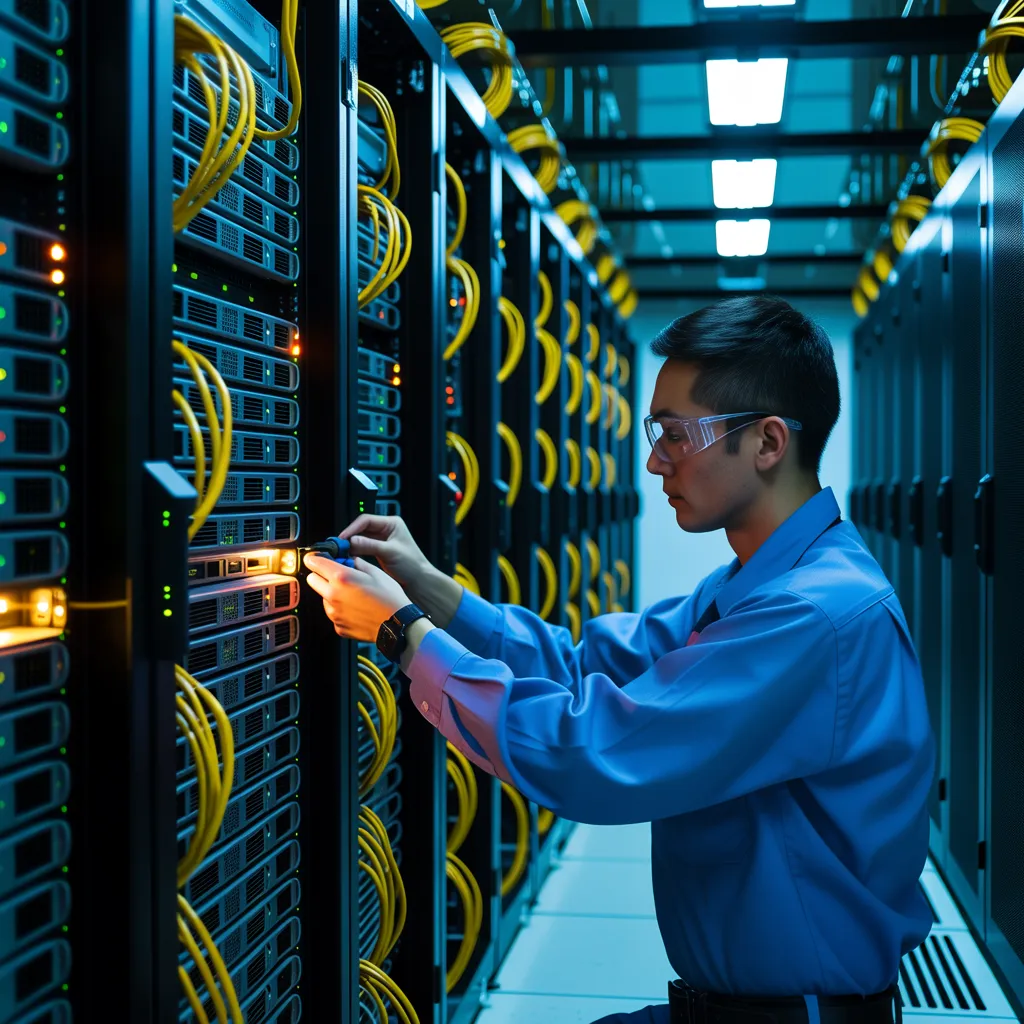
Leading DCIM Solutions for 2023
As companies more and more depend on data centers to facilitate their business activities, determining the best Data Center Infrastructure Management (DCIM) services for 2023 becomes vital. Leading DCIM services provide comprehensive solutions designed to enhance resource management, improve operational efficiency, and guarantee robust monitoring capabilities. Notable players in the market include ServiceNow, known for its integration capabilities, and Sunbird, which specializes in real-time visualization and reporting. Additionally, Schneider Electric delivers a powerful platform for energy management and asset tracking.
Another important player, Nlyte, focuses on improving data center efficiency through advanced analytics. These services not only facilitate improved decision-making but also help in predicting future needs. As data requirements continue to grow, selecting a DCIM service that provides scalability and versatility is critical. Ultimately, organizations must evaluate their specific requirements to select the most appropriate DCIM service, ensuring optimal efficiency and reliability in their data management strategies.
Understanding server facility system Management (DCIM)
Data Center Infrastructure Management (DCIM) includes a collection of instruments and methodologies designed to oversee, control, and enhance data center assets. By integrating IT and facility management, DCIM provides comprehensive insight into the efficiency and usage of essential systems. This approach facilitates immediate information gathering, allowing operators to make informed decisions regarding energy consumption, temperature management effectiveness, and area allocation.
DCIM platforms commonly encompass functionalities such as asset tracking, capacity planning, and facility oversight, which synergistically to enhance workflow performance. They provide infrastructure leaders the capacity to recognize bottlenecks, streamline workflows, and cut spending. Moreover, DCIM supports forward planning for future expansions and helps organizations adhere to compliance frameworks. Through implementing effective DCIM approaches, data centers can realize increased stability, better environmental practices, and enhanced system efficiency, in turn boosting better customer service in a dynamic digital landscape.
Essential Features for Selecting Reliable DCIM Services
Selecting effective Data Center Infrastructure Management (DCIM) solutions requires thorough consideration of critical capabilities that enhance performance and resource management. Crucial attributes include immediate monitoring tools, providing instant insight into power usage and operational parameters. report Integration with existing infrastructure is also essential, as seamless communication fosters a unified methodology to information governance.
Scalability represents another significant element, allowing organizations to adjust as their infrastructure transforms and expands. Advanced analytics can deliver forecasting intelligence, supporting strategic planning and minimizing downtime. Intuitive dashboards enhance accessibility for multiple users, while strong protective protocols safeguard sensitive data.
At last, configuration options warrant that DCIM services can be tailored to meet specific organizational needs. By focusing on these essential features, firms can determine DCIM services that not only optimize performance but also contribute to long-term sustainability and competitive advantage.
Finding the Right DCIM Tool Suited to Your Organization?
What approach can an organization use to select the best DCIM platform tailored to its distinct needs? The decision-making process begins with a thorough assessment of existing infrastructure and functional requirements. Organizations should identify concrete goals, such as increasing uptime, strengthening resource allocation, or fine-tuning capacity planning. Additionally, evaluating growth potential is vital; a solution must respond to future growth and digital advancements.
Following that, businesses must examine integration capabilities. The ideal DCIM solution should work seamlessly with existing tools and platforms. User-friendliness also matters significantly; clear interfaces boost user adoption and operational effectiveness.
Furthermore, companies should research vendor support and community engagement, as ongoing assistance and resources can be significant. In conclusion, performing a cost-benefit analysis ensures that the selected option complies with budget constraints while delivering the anticipated value. By adhering to these steps, organizations can confidently select a DCIM platform that meets their specific demands and improves overall performance.
Leveraging DCIM Systems to Boost Electrical Performance
Deploying DCIM tools can greatly improve energy efficiency within data centers. Through supplying comprehensive insights into power consumption and thermal dynamics, these tools enable operators to uncover inefficiencies and refine resource allocation. With real-time data on energy usage, data center managers can take informed decisions about equipment placement and cooling approaches, ensuring that energy is not wasted.
DCIM offerings also facilitate automation in monitoring and managing power loads, allowing for dynamic adjustments based on current demand. This agility can lead to substantial savings in energy costs. In addition, powerful analytics within DCIM tools can pinpoint areas for further improvement, fostering proactive strategies rather than reactive interventions.
Integrating these instruments into daily operations nurtures a atmosphere of relentless progress, ultimately achieving a more sustainable data center environment. The upshot is not only optimized operations but also a reduced carbon footprint, syncing with broader environmental goals.
Real-Time Tracking : The Backbone of DCIM Achievement
Real-time monitoring acts as a essential component in the effectiveness of Data Center Infrastructure Management (DCIM). By providing enhanced performance metrics, it enables preventive issue detection and optimization of resource utilization. This capability ultimately contributes to improved operational performance and reliability within data centers.
Enhanced Efficiency Metrics
Assessing data center performance constitutes a vital necessity for boosting operational efficiency and guaranteeing dependability. Advanced operational benchmarks convey mission-critical data concerning multiple operational sectors, incorporating power efficiency parameters, cooling performance metrics, and equipment allocation. Via accessing real-time analytics, corporate entities can gauge their operational robustness and flexibility, supporting evidence-based choices. Monitoring indicators like server accessibility, transmission delays, and bandwidth utilization prove useful in pattern identification and measuring capacity expansion. Simultaneously, these indicators foster organizational responsibility, shaping investments and long-term planning. Recurring data evaluation of system performance data assists with external comparison versus standard metrics and nurtures a framework for continuous advancement. At its foundation, superior performance indicators function as a structural element in strong data center management, generating operational excellence and competitive advantage.
Active Issue Detection
Proactive problem identification serves a vital purpose in maintaining the robustness of data center operations. By harnessing live tracking systems, data centers can uncover possible issues prior to escalation into catastrophic failures. This methodology allows teams to respond with urgency to unexpected behaviors in heat levels, electrical consumption, and machine performance. Active vigilance ensures that any variations from baseline conditions are highlighted right away, enabling for immediate response. As a consequence, the overall dependability of the framework is strengthened, lowering operational gaps and safeguarding service excellence. Moreover, preventive identification promotes calculated decision-making regarding care schedules and spending allocation, over time boosting infrastructure productivity. Allocating investment in comprehensive tracking systems is absolutely necessary for ensuring superior output in current complex data environments.
Resource Consumption Optimization
Skilled management of a data center's resources depends on the ability to perpetually evaluate and track operational metrics. Real-time monitoring serves as the base for bolstering resource utilization, granting data center managers to identify inefficiencies and provision assets effectively. By harnessing advanced DCIM tools, organizations can gather essential information on power consumption, cooling efficiency, and workload distribution. This data supports for more prudent decision-making, ensuring that resources are optimized to their fullest potential. Additionally, real-time analytics facilitate immediate interventions to changing demands, limiting waste and advancing overall performance. Ultimately, effective resource utilization optimization not only elevates operational efficiency but also contributes to sustainability goals, making it a fundamental component of modern data center management strategies.
Future Trends in Data Center Operations Management
As computing facilities expand to handle mounting demands for efficiency and effectiveness, emerging patterns in Data Center Infrastructure Management (DCIM) are overhauling the sector. One prominent trend is the implementation of artificial intelligence (AI) and machine learning, which improves forecasting capabilities for capacity management and power efficiency. These technologies facilitate real-time observation and automated problem-solving to emerging challenges, substantially reducing service disruptions.
In addition, the adoption of edge computing is spurring a shift in DCIM strategies, as firms pursue to process data proximate to its source for refined speed and efficiency. This requires advanced governance solutions to maintain performance across distributed environments.
Sustainability continues to be at the forefront, emphasizing lowering carbon footprints and better resource consumption. In conclusion, the increase of hybrid cloud solutions requires more advanced DCIM systems that can effortlessly manage both on-premises and cloud resources, providing peak operational efficiency.
Common Queries That Are Asked
How Can I connect DCIM With Current Data Center Systems?
To link DCIM with existing data center systems, one needs to analyze current infrastructure, ensure compatibility, enable APIs for data exchange, and conduct thorough testing to validate seamless operation and improved management capabilities across platforms.
How Much Is the Average Cost to Implement DCIM Solutions?
Deploying DCIM solutions usually costs somewhere between $20,000 and $150,000 on typical basis, reliant on the data center's dimensions, the sophistication of the framework, and the distinct functionalities necessary for superior management.
Are there specific regulatory requirements for DCIM Services?
Indeed, specific compliance standards are necessary for DCIM services, including ISO 27001 for data protection, PCI DSS for payment card industry standards, and various environmental regulations that direct energy efficiency and eco-friendly operations within data centers.
How Often Should I Refresh My DCIM Software?
DCIM software maintenance should occur at least annually, though updates every quarter are recommended to guarantee superior performance, security advancements, and compliance with updated requirements. Regular assessments help establish when updates are required for unique business requirements.
Will DCIM Tools Facilitate Disaster Recovery Planning?
DCIM tools offer substantial support in disaster recovery planning through real-time monitoring, asset management, and contingency modeling. This guarantees that data centers are adequately prepared for unforeseen interruptions, enhancing overall robustness and contingency approaches.